Course Information
| Session |
|---|
| Credits | 1.5 CEUs or 15 PDHs |
|---|---|
| Registration dates | We accept registrations through the first week of classes, unless enrollment is full, and unless the class was canceled before it started due to low enrollment. |
$250.00
Dates: January 4 - January 31Credits: 1.5 CEUs or 15 PDHs
According to the Centers for Disease Control and Prevention (CDC), approximately 1 in 31 children has been identified with autism spectrum disorder (ASD). Autism occurs across all racial, ethnic, cultural, and socioeconomic groups and is a lifelong neurodevelopmental condition. As a result, libraries of all types regularly serve autistic patrons and their families, as well as many other neurodivergent individuals.
Autistic patrons may experience libraries differently than their neurotypical peers, particularly with respect to communication, sensory environments, social interactions, and accessibility. This course equips library professionals with practical knowledge and evidence-informed strategies for creating more welcoming, accessible, and inclusive library services.
Participants will explore the characteristics of autism across the lifespan, effective communication strategies, environmental and programmatic accessibility, and approaches for building meaningful partnerships with community organizations that support autistic individuals and their families. Throughout the course, participants will apply what they learn to evaluate their own libraries and develop practical recommendations for improving services and access.
The instructor brings a unique interdisciplinary perspective as both an academic librarian and a former Licensed Psychological Associate with more than 20 years of clinical experience conducting psychological evaluations, including autism assessments. This combination of clinical expertise and library leadership provides participants with practical strategies that can be immediately applied in library settings.
By the end of this course, participants will be able to:
| Session |
|---|
| Credits | 1.5 CEUs or 15 PDHs |
|---|---|
| Registration dates | We accept registrations through the first week of classes, unless enrollment is full, and unless the class was canceled before it started due to low enrollment. |
According to the Centers for Disease Control and Prevention (CDC), approximately 1 in 31 children has been identified with autism spectrum disorder (ASD). Autism occurs across all racial, ethnic, cultural, and socioeconomic groups and is a lifelong neurodevelopmental condition. As a result, libraries of all types regularly serve autistic patrons and their families, as well as many other neurodivergent individuals.
Autistic patrons may experience libraries differently than their neurotypical peers, particularly with respect to communication, sensory environments, social interactions, and accessibility. This course equips library professionals with practical knowledge and evidence-informed strategies for creating more welcoming, accessible, and inclusive library services.
Participants will explore the characteristics of autism across the lifespan, effective communication strategies, environmental and programmatic accessibility, and approaches for building meaningful partnerships with community organizations that support autistic individuals and their families. Throughout the course, participants will apply what they learn to evaluate their own libraries and develop practical recommendations for improving services and access.
The instructor brings a unique interdisciplinary perspective as both an academic librarian and a former Licensed Psychological Associate with more than 20 years of clinical experience conducting psychological evaluations, including autism assessments. This combination of clinical expertise and library leadership provides participants with practical strategies that can be immediately applied in library settings.
By the end of this course, participants will be able to:
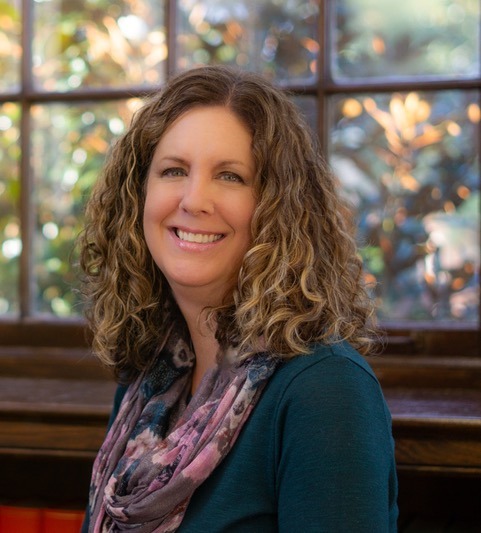 Dawn Behrend is the Associate Dean of Administrative Services at the Thomas G. Carpenter Library at the University of North Florida. She holds a bachelor’s degree in psychology, a master’s degree in clinical psychology, a Master of Business Administration, and a master’s in library science. With extensive expertise in organizational management, project management, and staff development, Dawn brings an interdisciplinary approach to library leadership and operations. She previously worked in the mental health profession and continues to provide workshops, courses, and invited talks on mental health, neurodiversity in libraries, and self-care for librarians. Dawn is a past president of the North Carolina Library Association and is active with the Association of College and Research Libraries, where she has served on several committees and sections.Connect with Dawn on LinkedIn or view her online portfolio.
Reviews
There are no reviews yet.