Course Information
| Session |
|---|
| Credits | 1.5 CEUs or 15 PDHs |
|---|---|
| Registration dates | We accept registrations through the first week of classes, unless enrollment is full, and unless the class was canceled before it started due to low enrollment. |
Online professional development
for librarians
$250.00
Dates: November 2 - November 29Credits: 1.5 CEUs or 15 PDHs
Library professionals face significant workplace stressors, including book challenges, reduced funding, staff shortages, increasing service demands, and complex patron needs. Chronic workplace stress can affect mental and physical health and contribute to burnout, vicarious trauma, and other mental health challenges. While self-care is an important component of well-being, addressing workplace stress and burnout requires looking beyond individual coping strategies to consider the organizational cultures, expectations, and practices that contribute to these challenges.
This course provides library staff from all library types with the knowledge and strategies to:
Recognize the signs and symptoms of workplace stress and burnout.
Distinguish burnout from other mental health concerns, including depression and anxiety.
Establish healthy boundaries and develop practical strategies for managing stress and supporting personal well-being.
Understand how organizational culture, workplace expectations, and leadership practices contribute to stress and burnout.
Explore the role of psychological safety and supportive workplace relationships in promoting employee well-being.
Identify individual and organizational approaches to creating healthier, more sustainable library workplaces.
The course facilitator brings a unique perspective as a second-career librarian with over 20 years of experience as a master’s-level clinical psychologist. She is the author of the chapter, “Distinguishing Depression from Burnout: Implications for Impactful Interventions for Long-Term Improvement,” in Academic Librarian Burnout: Causes and Responses.
| Session |
|---|
| Credits | 1.5 CEUs or 15 PDHs |
|---|---|
| Registration dates | We accept registrations through the first week of classes, unless enrollment is full, and unless the class was canceled before it started due to low enrollment. |
Library professionals face significant workplace stressors, including book challenges, reduced funding, staff shortages, increasing service demands, and complex patron needs. Chronic workplace stress can affect mental and physical health and contribute to burnout, vicarious trauma, and other mental health challenges. While self-care is an important component of well-being, addressing workplace stress and burnout requires looking beyond individual coping strategies to consider the organizational cultures, expectations, and practices that contribute to these challenges.
This course provides library staff from all library types with the knowledge and strategies to:
Recognize the signs and symptoms of workplace stress and burnout.
Distinguish burnout from other mental health concerns, including depression and anxiety.
Establish healthy boundaries and develop practical strategies for managing stress and supporting personal well-being.
Understand how organizational culture, workplace expectations, and leadership practices contribute to stress and burnout.
Explore the role of psychological safety and supportive workplace relationships in promoting employee well-being.
Identify individual and organizational approaches to creating healthier, more sustainable library workplaces.
The course facilitator brings a unique perspective as a second-career librarian with over 20 years of experience as a master’s-level clinical psychologist. She is the author of the chapter, “Distinguishing Depression from Burnout: Implications for Impactful Interventions for Long-Term Improvement,” in Academic Librarian Burnout: Causes and Responses.
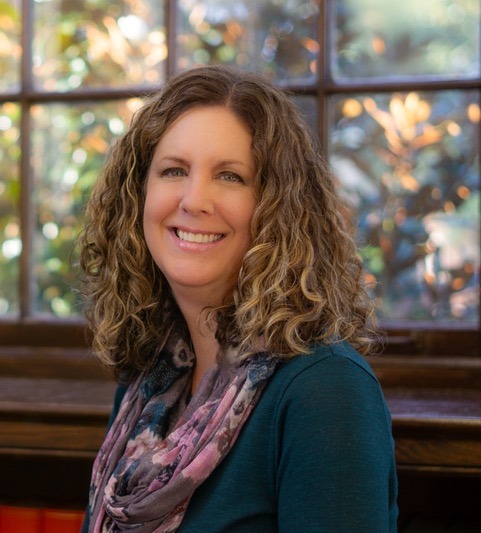 Dawn Behrend is the Associate Dean of Administrative Services at the Thomas G. Carpenter Library at the University of North Florida. She holds a bachelor’s degree in psychology, a master’s degree in clinical psychology, a Master of Business Administration, and a master’s in library science. With extensive expertise in organizational management, project management, and staff development, Dawn brings an interdisciplinary approach to library leadership and operations. She previously worked in the mental health profession and continues to provide workshops, courses, and invited talks on mental health, neurodiversity in libraries, and self-care for librarians. Dawn is a past president of the North Carolina Library Association and is active with the Association of College and Research Libraries, where she has served on several committees and sections.Connect with Dawn on LinkedIn or view her online portfolio.
Reviews
There are no reviews yet.