Course Information
| Session |
|---|
| Credits | 1.5 CEUs or 15 PDHs |
|---|---|
| Registration dates | We accept registrations through the first week of classes, unless enrollment is full, and unless the class was canceled before it started due to low enrollment. |
Online professional development
for librarians
$250.00
Dates: January 4 - January 31Credits: 1.5 CEUs or 15 PDHs
Course Overview
Artificial intelligence (AI) increasingly influences how libraries, archives, and related organizations deliver services, manage collections, support discovery, collaborate with vendors, and make strategic decisions. The course adopts a neutral stance—neither advocating nor discouraging AI use—providing a practical framework to understand evolving technologies and practices. It explores what these innovations mean for library and cultural heritage professionals and their institutions. Instead of concentrating on specific tools or skills, participants will learn to recognize AI in various services and workflows, assess its impact, formulate informed questions, and engage in discussions and decision-making. Examples encompass circulating, archival, digital collections; metadata; discovery platforms; digital preservation; workflows; and vendor solutions.
Course Goals
Understand how AI affects libraries, archives, museums, and cultural heritage organizations.
Recognize AI’s implications for services, collections, systems, workflows, vendors, and decisions.
Examine opportunities alongside concerns involving privacy, accessibility, bias, transparency, provenance, authenticity, professional judgment, staffing, costs, and accountability.
Develop a practical framework for evaluating organizational readiness, risks, resources, and governance.
Contribute more confidently to organizational discussions and decisions about AI.
| Session |
|---|
| Credits | 1.5 CEUs or 15 PDHs |
|---|---|
| Registration dates | We accept registrations through the first week of classes, unless enrollment is full, and unless the class was canceled before it started due to low enrollment. |
Course Overview
Artificial intelligence (AI) increasingly influences how libraries, archives, and related organizations deliver services, manage collections, support discovery, collaborate with vendors, and make strategic decisions. The course adopts a neutral stance—neither advocating nor discouraging AI use—providing a practical framework to understand evolving technologies and practices. It explores what these innovations mean for library and cultural heritage professionals and their institutions. Instead of concentrating on specific tools or skills, participants will learn to recognize AI in various services and workflows, assess its impact, formulate informed questions, and engage in discussions and decision-making. Examples encompass circulating, archival, digital collections; metadata; discovery platforms; digital preservation; workflows; and vendor solutions.
Course Goals
Understand how AI affects libraries, archives, museums, and cultural heritage organizations.
Recognize AI’s implications for services, collections, systems, workflows, vendors, and decisions.
Examine opportunities alongside concerns involving privacy, accessibility, bias, transparency, provenance, authenticity, professional judgment, staffing, costs, and accountability.
Develop a practical framework for evaluating organizational readiness, risks, resources, and governance.
Contribute more confidently to organizational discussions and decisions about AI.
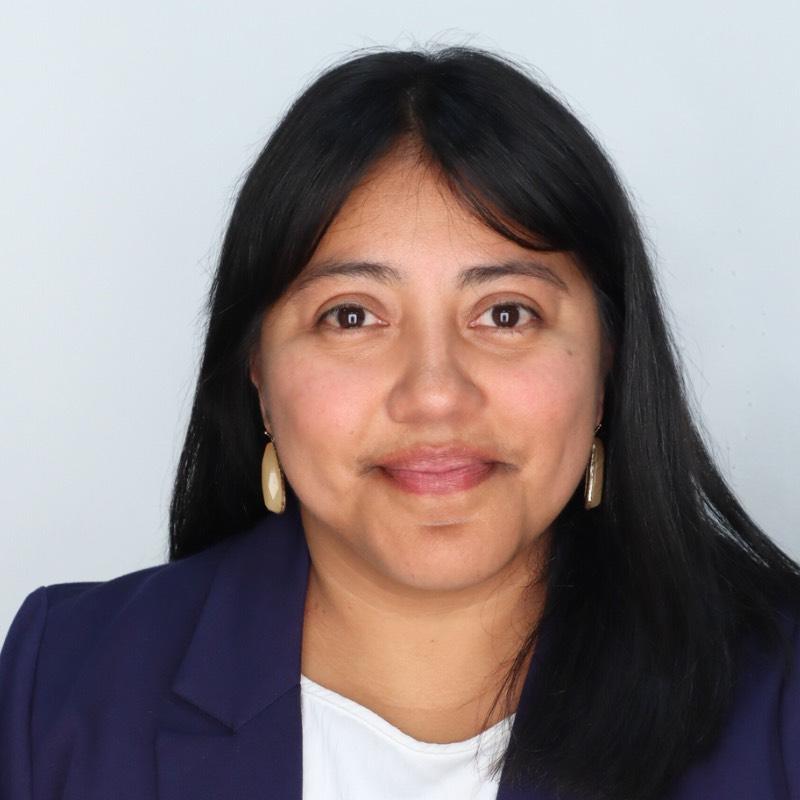 Lisa Cruces is an independent consultant specializing in academic libraries, archives, and organizational development. Previously, Cruces has held positions at the Harry Ransom Center, University of Notre Dame, the University of Houston, and Texas State University, as well as advisory roles for non-institutional community archives and BIPOC collectives. Cruces completed her master of science in Information Studies at the University of Texas at Austin with a focus in archives and special collections and is currently pursuing her MBA in Human Resource Management at Texas State University. Her research focuses on assessing diversity, equity, inclusion, and accessibility in academia and workplace settings.
Reviews
There are no reviews yet.