Course Information
| Session |
|---|
| Credits | 1.5 CEUs or 15 PDHs |
|---|---|
| Registration dates | We accept registrations through the first week of classes, unless enrollment is full, and unless the class was canceled before it started due to low enrollment. |
Online professional development
for librarians
$250.00
Dates: August 2 - August 29Credits: 1.5 CEUs or 15 PDHs
What happens when AI describes a collection, identifies subjects in historical records, or helps researchers find materials? Though familiar to archivists, these tasks raise new questions about how information is generated, interpreted, and presented.
Large language models (LLMs), which power tools such as ChatGPT, Claude, and Copilot, generate text, identify patterns, and organize information. In archives, they can suggest metadata, summarize documents, and support discovery. But convincing AI-generated descriptions may still be inaccurate, incomplete, or unsuitable for the records.
This course uses familiar archival activities to explore how LLMs work, where they help, and how to assess their limitations. Through practical examples, case studies, and course deliverables, participants examine AI-assisted description, metadata enrichment, discovery, and access, while considering provenance, context, representation, privacy, and professional judgment.
Learning Outcomes
By the end of the course, participants will be able to:.
| Session |
|---|
| Credits | 1.5 CEUs or 15 PDHs |
|---|---|
| Registration dates | We accept registrations through the first week of classes, unless enrollment is full, and unless the class was canceled before it started due to low enrollment. |
What happens when AI describes a collection, identifies subjects in historical records, or helps researchers find materials? Though familiar to archivists, these tasks raise new questions about how information is generated, interpreted, and presented.
Large language models (LLMs), which power tools such as ChatGPT, Claude, and Copilot, generate text, identify patterns, and organize information. In archives, they can suggest metadata, summarize documents, and support discovery. But convincing AI-generated descriptions may still be inaccurate, incomplete, or unsuitable for the records.
This course uses familiar archival activities to explore how LLMs work, where they help, and how to assess their limitations. Through practical examples, case studies, and course deliverables, participants examine AI-assisted description, metadata enrichment, discovery, and access, while considering provenance, context, representation, privacy, and professional judgment.
Learning Outcomes
By the end of the course, participants will be able to:.
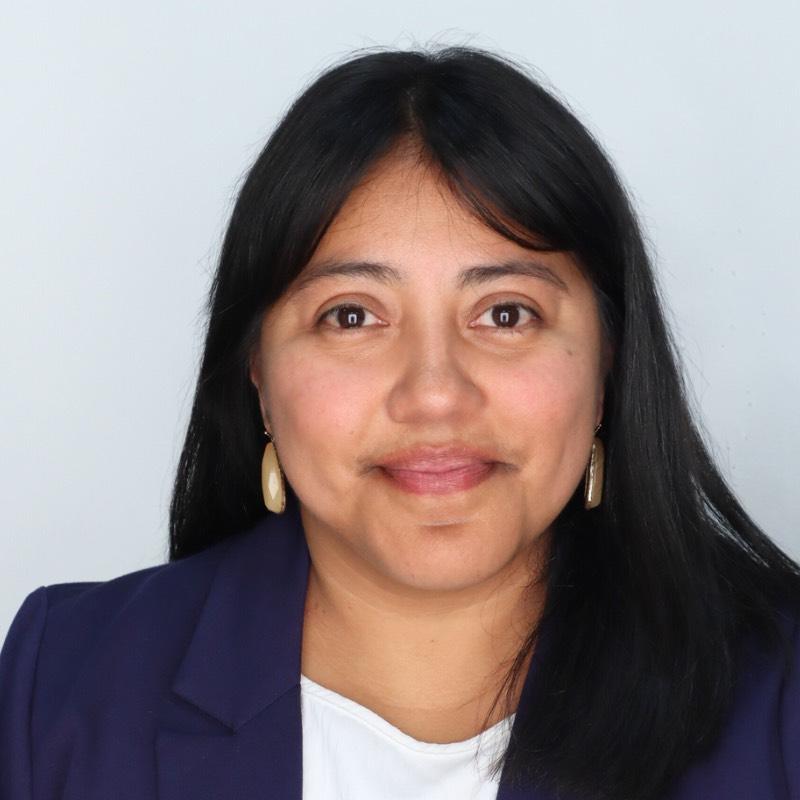 Lisa Cruces is an independent consultant specializing in academic libraries, archives, and organizational development. Previously, Cruces has held positions at the Harry Ransom Center, University of Notre Dame, the University of Houston, and Texas State University, as well as advisory roles for non-institutional community archives and BIPOC collectives. Cruces completed her master of science in Information Studies at the University of Texas at Austin with a focus in archives and special collections and is currently pursuing her MBA in Human Resource Management at Texas State University. Her research focuses on assessing diversity, equity, inclusion, and accessibility in academia and workplace settings.
Reviews
There are no reviews yet.