Course Information
| Session |
|---|
| Credits | 1.5 CEUs or 15 PDHs |
|---|---|
| Registration dates | We accept registrations through the first week of classes, unless enrollment is full, and unless the class was canceled before it started due to low enrollment. |
Online professional development
for librarians
$250.00
Dates: June 7 - July 4Credits: 1.5 CEUs or 15 PDHs
This course provides a comprehensive overview of records management principles and practices across various sectors, including government, nonprofit, corporate, and cultural heritage settings. Students will learn how to identify and classify record types; understand their lifecycle and role in organizational accountability, legal compliance, operational needs, and historical value; develop records retention schedules; manage physical and electronic records; implement records disposition procedures; and collaborate with stakeholders across organizations. Special attention will be given to digital records, legal and regulatory requirements, information governance, and the relationship between records management and archives.
Through case studies, practical exercises, and discussion, students will develop the knowledge and skills necessary to establish, maintain, or support a records management program. No prior experience in records management is required.
Learning Objectives
By the end of the course, students will be able to:
| Session |
|---|
| Credits | 1.5 CEUs or 15 PDHs |
|---|---|
| Registration dates | We accept registrations through the first week of classes, unless enrollment is full, and unless the class was canceled before it started due to low enrollment. |
This course provides a comprehensive overview of records management principles and practices across various sectors, including government, nonprofit, corporate, and cultural heritage settings. Students will learn how to identify and classify record types; understand their lifecycle and role in organizational accountability, legal compliance, operational needs, and historical value; develop records retention schedules; manage physical and electronic records; implement records disposition procedures; and collaborate with stakeholders across organizations. Special attention will be given to digital records, legal and regulatory requirements, information governance, and the relationship between records management and archives.
Through case studies, practical exercises, and discussion, students will develop the knowledge and skills necessary to establish, maintain, or support a records management program. No prior experience in records management is required.
Learning Objectives
By the end of the course, students will be able to:
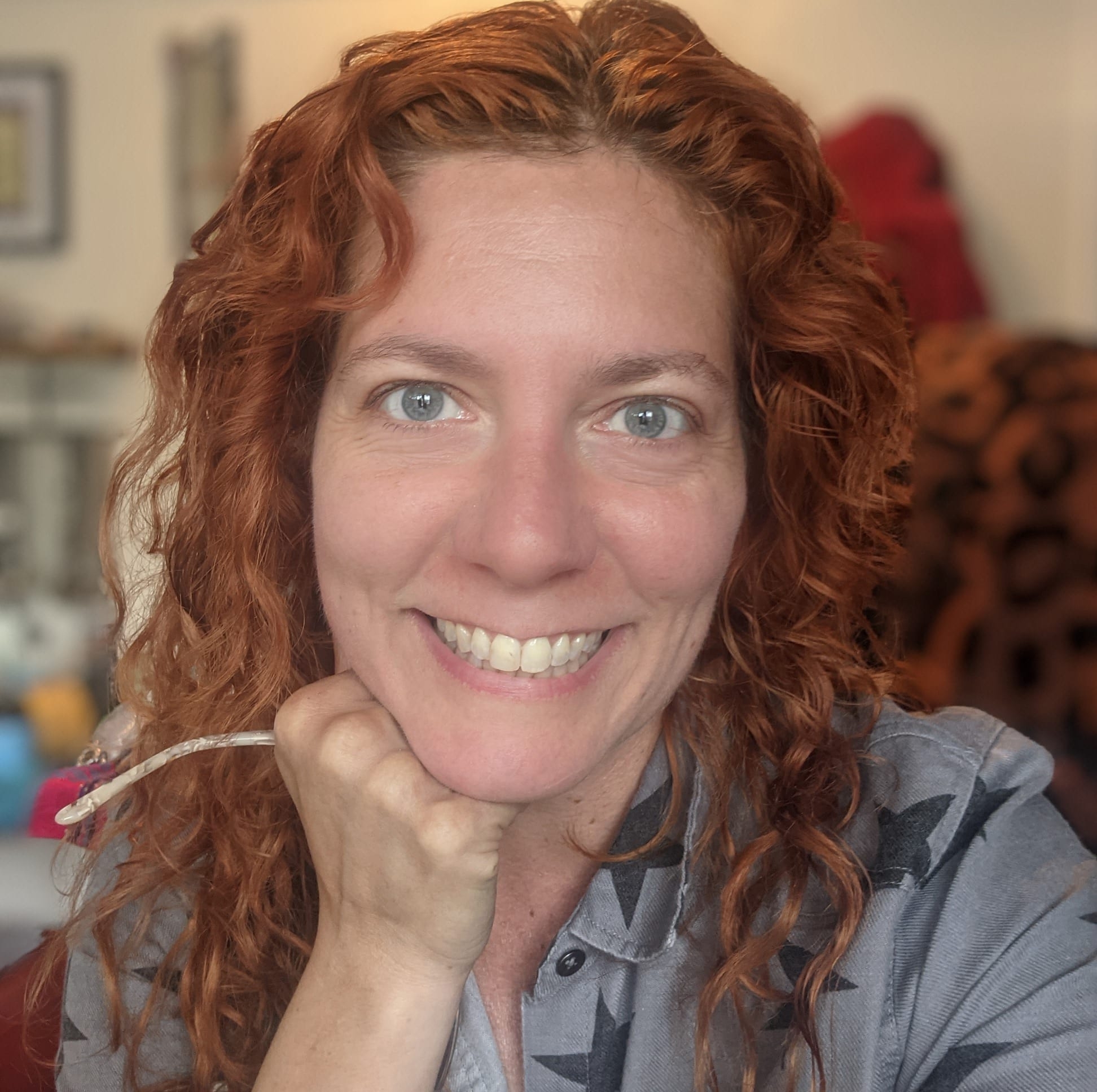 Carey Stumm is the Archives and Records Management Officer for Baltimore City. Before taking on this role, she spent nine years as an Archivist and Branch Chief of the Processing Division at the National Archives. From 2004 to 2016, Carey was the Archivist and Collections Manager at the New York Transit Museum, overseeing the historical collections of the Metropolitan Transportation Authority. She has also held positions as a Digital Collection Librarian at the Experience Music Project, Registrar and Collection Assistant at the Museum of the Moving Image, and Collection Coordinator at the Coney Island Museum. In addition to her work in the field, Carey was an Adjunct Professor at Queens College in the Graduate School of Library and Information Studies for 13 years. LinkedIn
Reviews
There are no reviews yet.